
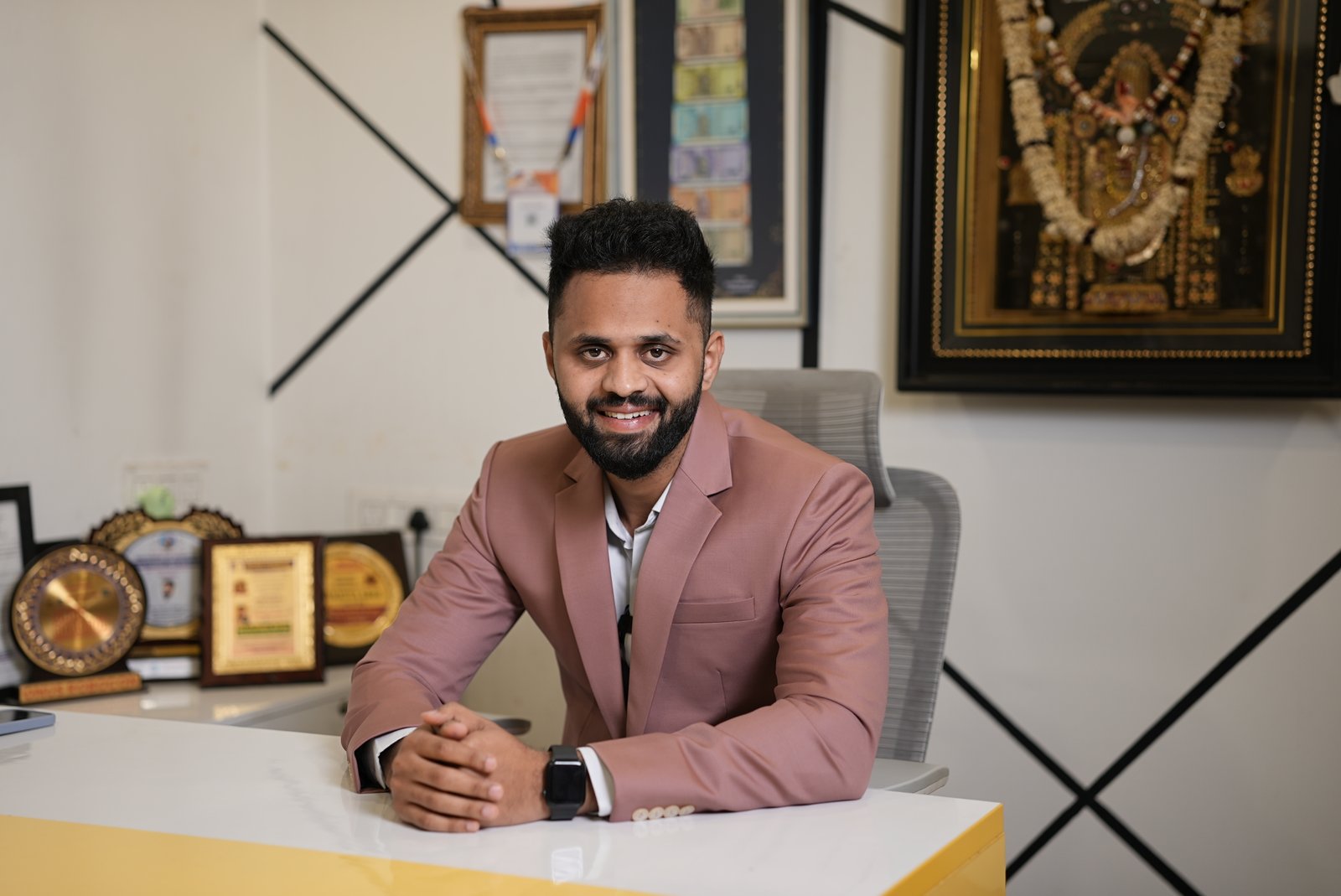
Addiction is a treatable medical condition, not a failure of willpower. If you or someone you love is struggling to stop drinking, using a substance, or breaking free from a compulsive habit, working with an experienced de-addiction psychiatrist in Hyderabad can make recovery far safer and more achievable. Dr. Uday Kiran, an MD psychiatrist (Osmania Medical College) and founder of Bharosa Neuro Psychiatry Hospital, offers compassionate, confidential addiction treatment for individuals and families across Hyderabad.
De-addiction care goes well beyond simply stopping the substance. It addresses the brain chemistry that drives dependence, the withdrawal that makes quitting dangerous to attempt alone, and the emotional and family patterns that influence relapse. Dr. Uday Kiran follows an evidence-based, holistic approach that combines medically supervised detox, medication-assisted treatment, structured counselling, and a clear relapse-prevention plan tailored to each person's situation.
Based in the LB Nagar and Karmanghat area of south-east Hyderabad, near Dilsukhnagar, the practice is easy to reach for patients and families across greater Hyderabad. Every consultation is handled with privacy and dignity, so you can seek help without fear of judgement or stigma.
Conditions a De-Addiction Psychiatrist Treats
Addiction can take many forms, and each requires a slightly different treatment plan. As a de-addiction psychiatrist in Hyderabad, Dr. Uday Kiran supports patients dealing with a wide range of substance and behavioural dependencies, assessing the medical, psychological and social factors involved in each case.
Care is personalised — the plan for someone with long-standing alcohol dependence will look different from that of a young adult struggling with internet gaming, and treatment is adjusted accordingly.
- Alcohol dependence and harmful drinking patterns
- Tobacco, smoking and nicotine dependence
- Drug and substance use, including cannabis, opioids and other dependencies
- Prescription medication misuse and dependence
- Behavioural addictions such as gaming, internet and smartphone overuse
- Co-occurring conditions like depression or anxiety that often accompany addiction
How De-Addiction Treatment Works
Effective de-addiction is a structured process rather than a single intervention. Treatment usually begins with a detailed, confidential assessment to understand the substance involved, how long the dependence has lasted, physical health, and any underlying mental health concerns. This shapes a plan that is realistic and matched to the individual.
Where withdrawal risk exists, medically supervised detoxification helps the body adjust safely while symptoms are monitored and managed. Medication-assisted treatment may be used to ease cravings and stabilise recovery. Alongside this, counselling and psychotherapy help patients understand their triggers, rebuild routines, and develop healthier coping skills — and a relapse-prevention plan supports them in maintaining progress over the longer term.
- Confidential clinical assessment and diagnosis
- Medically supervised detox where withdrawal is a risk
- Medication-assisted treatment to manage cravings and stabilise recovery
- Individual counselling and evidence-based psychotherapy
- A structured relapse-prevention and aftercare plan
The Role of Family in Recovery
Addiction rarely affects just one person — it touches the whole family. With the patient's consent, Dr. Uday Kiran involves family members in treatment where appropriate, helping them understand addiction as a health condition and learn how to offer support without enabling the dependence.
Family involvement can strengthen motivation, improve early recognition of warning signs, and create a more stable home environment for recovery. At the same time, every patient's privacy and autonomy are carefully respected throughout the process.
Confidential, Stigma-Free Care in Hyderabad
Many people delay seeking help for addiction because of stigma or fear of being judged. The practice is built around discretion: consultations are private, information is kept confidential, and the tone is supportive rather than punitive.
Reaching out is a sign of strength, not weakness. Whether you are taking the first step for yourself or seeking guidance for a loved one, a measured, professional conversation with a de-addiction psychiatrist is a safe place to begin in Hyderabad.
Why Choose Us
What Sets Dr. Uday Kiran's De-Addiction Approach Apart
- Treats dependence as a medical condition, with attention to withdrawal risk before any attempt to stop a substance
- Plans care across the full arc of recovery: medically supervised detox, medication to ease cravings, counselling, and a written relapse-prevention plan
- Assesses and manages co-occurring depression or anxiety, which often sit underneath alcohol and drug use
- Includes behavioural addictions such as compulsive gaming and smartphone overuse, not only substance use
- Involves family in recovery only with the patient's consent, guiding them to support without enabling
- MBBS and MD Psychiatrist (Osmania Medical College), and founder of Bharosa Neuro Psychiatry Hospital
Dr. Uday Kiran runs his de-addiction consultations at Bharosa Neuro Psychiatry Hospital in Karmanghat and LB Nagar, an easy reach for individuals and families coming from the Dilsukhnagar and Vanasthalipuram side of south-east Hyderabad.