

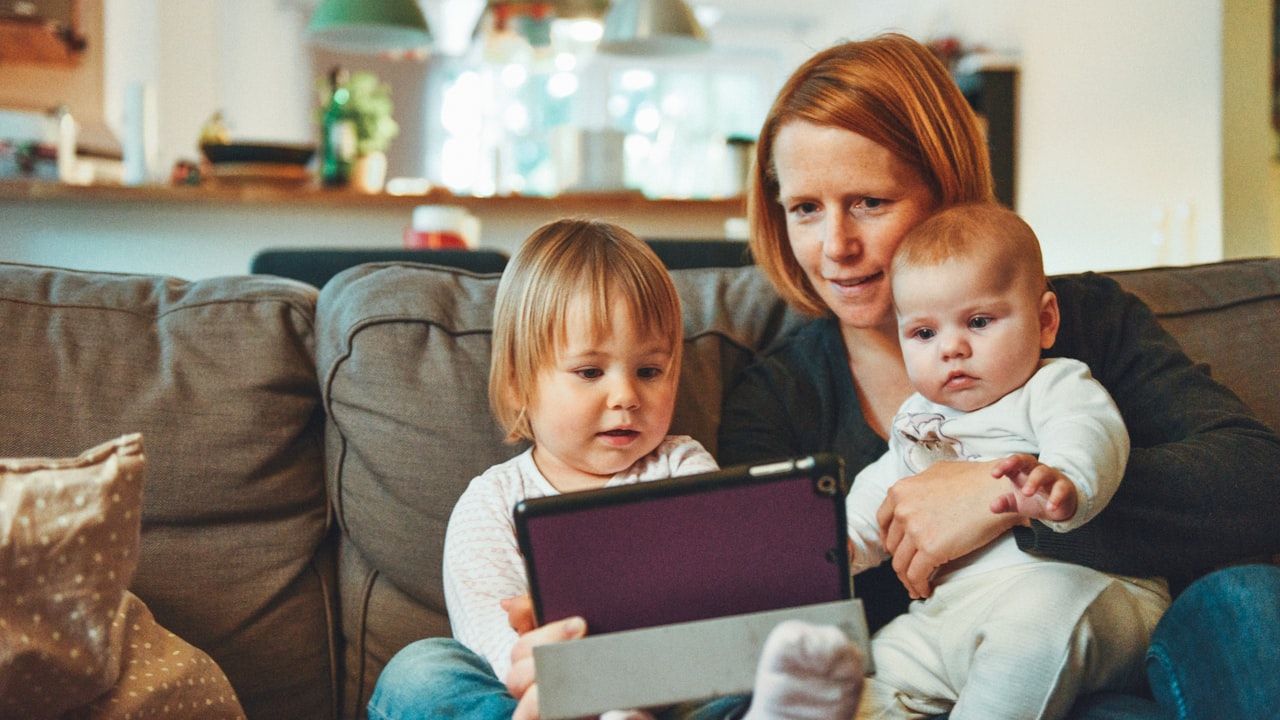
In many Indian homes, we ask our children a hundred times a day whether they have eaten, whether they have finished their homework, whether they are feeling cold. Yet we rarely ask them how they are feeling on the inside. We were not taught to, and our own parents were not taught to either. The good news is that talking to children about mental health does not require a degree in psychiatry or a perfectly scripted conversation. It requires only your steady presence, a few age-appropriate words, and the willingness to listen more than you speak.
As a psychiatrist who meets worried parents almost every day at Bharosa, I can tell you that these early conversations are quietly powerful. A child who learns that feelings are normal, nameable, and shareable grows into an adult who can ask for help before a small struggle becomes a large one. This is how we build resilience that lasts a lifetime.
Why These Conversations Matter More Than We Think
Research consistently suggests that a significant proportion of mental health conditions begin before adulthood, often during the school and teenage years. The challenge in our context is that emotional distress in children is frequently misread as stubbornness, laziness, drama, or "showing attitude". A child who cannot explain a tight feeling in the chest before exams may instead be scolded for making excuses.
When we give children the language for their inner world early, we are doing two things at once. We are helping them understand themselves, and we are quietly telling them that this family is a safe place to bring difficult feelings. That message, repeated over years, matters far more than any single perfect talk.
Match the Conversation to the Age
Mental health is not one talk you have once. It is many small, ordinary moments shaped to your child's age.
- Toddlers and pre-schoolers (2 to 5 years): Keep it simple and physical. Name feelings out loud as they happen: "You look angry that the tower fell." Use stories and faces. At this age, the goal is simply that emotions have names and are allowed.
- Early school age (6 to 9 years): Children can now connect feelings to events. Ask, "What was the best and worst part of your day?" Talk about how the body feels worry, such as a tummy ache before a test, so they learn that mind and body are linked.
- Pre-teens (10 to 12 years): Friendships, comparison, and fear of failure grow loud here. Normalise that everyone struggles sometimes, and gently introduce the idea that minds can need care just as bodies do.
- Teenagers (13 years and above): Respect their privacy and their growing independence. Lead with curiosity, not interrogation. Talk side by side, during a walk or a car ride, rather than face to face, which can feel like being put on trial.
Simple Ways to Open the Door
Many parents tell me they do not know how to begin. You do not need a dramatic sit-down. The most honest conversations happen in the gaps of daily life, while chopping vegetables, dropping them to tuition, or switching off the lights at night.
- Ask open questions that cannot be answered with yes or no: "What is something that has been on your mind lately?"
- Use feeling words yourself: "I felt nervous before my meeting today, so I took a few deep breaths." Children learn emotional language by watching you use it.
- Use a moment from a film, a cricket match, or a friend's situation as a gentle door rather than asking directly about them.
- Welcome the answer "I don't know." Sometimes the bravest thing a child does is simply stay in the conversation.
Children do not need parents who have all the answers. They need parents who can sit calmly with a difficult feeling without rushing to fix it or to fear it.
— Dr. Uday Kiran
What to Avoid, Gently
Our intentions are almost always loving, but a few common habits can quietly close the door. Try to avoid minimising with lines like "This is nothing, just study harder" or "In our time we had real problems." Comparison with siblings, cousins, or the neighbour's child is rarely motivating and often wounding. And resist the urge to react with panic or anger when a child shares something heavy, because your calm response today decides whether they come to you again tomorrow.
It also helps to separate the behaviour from the child. Instead of "You are so lazy", try "It seems hard to get started today, shall we figure out why together?" The first labels the child; the second joins them.
Knowing When to Seek Help
Most ups and downs are a normal part of growing up. But it is worth speaking to a professional when certain signs persist for two weeks or more and begin to affect daily life. Studies indicate that earlier support generally leads to better outcomes, so reaching out is a sign of good parenting, not failure. Watch for:
- A lasting change in sleep, appetite, or energy
- Withdrawal from friends, play, or activities they once loved
- A sudden drop in school performance or refusal to attend
- Frequent unexplained aches, irritability, or tearfulness
- Any talk of self-harm or of not wanting to be here, which always deserves immediate attention
If something feels off, trust that instinct. You know your child better than anyone.
Talking to your children about mental health is not about getting every word right. It is about showing up, again and again, with patience and warmth. If you are worried about your child, or simply unsure how to begin, you are warmly welcome to reach out to our team at Bharosa Neuro Psychiatry Hospital. A gentle, confidential conversation with a professional can bring clarity for the whole family, and seeking that support is one of the kindest things a parent can do.

Medically Reviewed & Approved
This article was clinically reviewed and approved by Dr. Uday Kiran.
MBBS · MD Psychiatry · Founder & CEO, Bharosa Neuro Psychiatry Hospital, HyderabadLast reviewed September 18, 2024