
Addiction is not a moral failing — it is a complex, chronic brain disorder that needs professional, sustained medical care. While short-term detox is a necessary first step, it is rarely enough for lasting recovery. That is where a structured 100-day rehabilitation programme transforms outcomes. At Bharosa Neuro Psychiatry Hospital, with a trusted de-addiction psychiatrist in Hyderabad under the guidance of Dr. Uday Kiran, we have seen how the right duration of structured care makes the difference between temporary sobriety and true, lasting recovery.
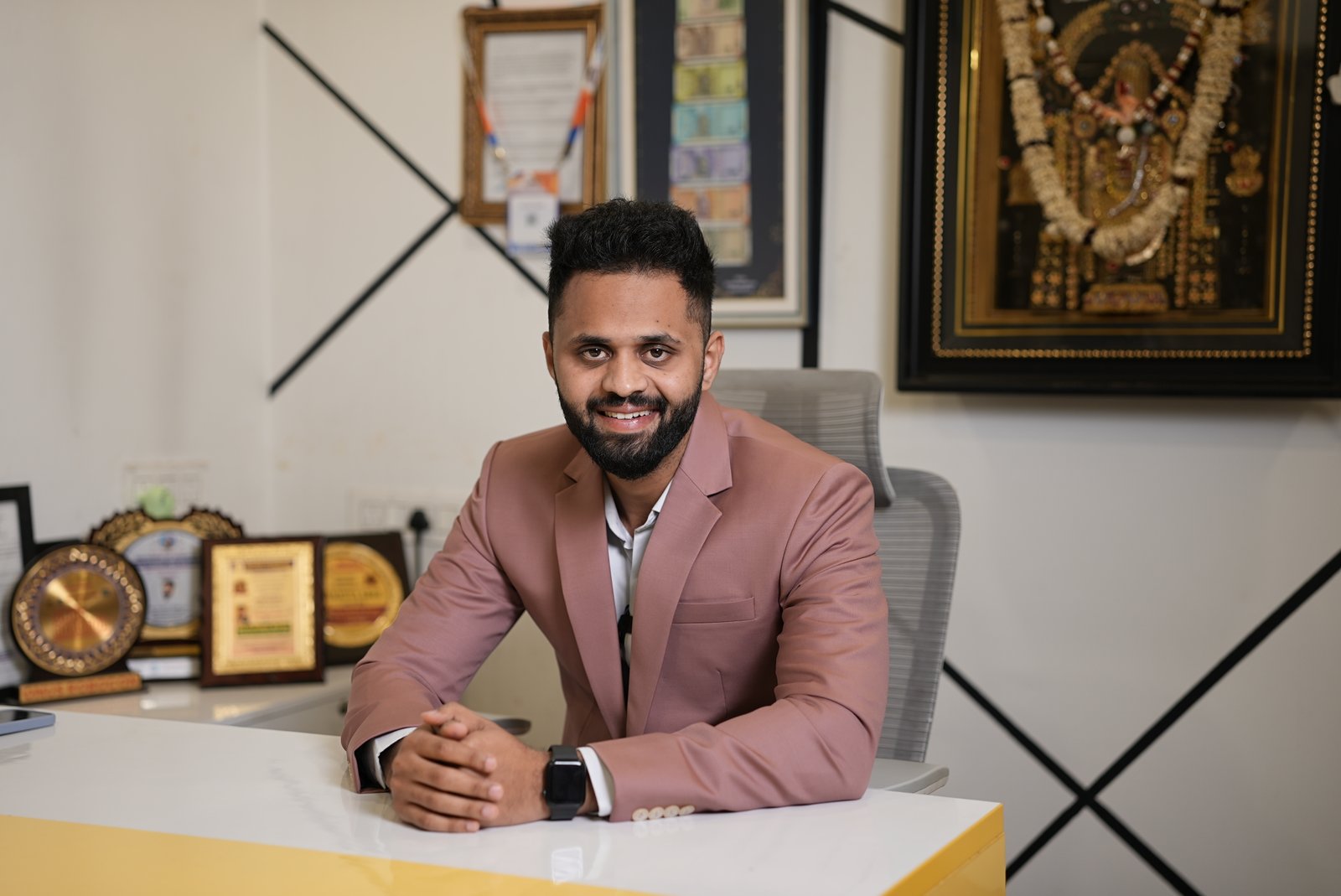
Research consistently shows that longer treatment duration is one of the strongest predictors of successful addiction recovery — a 100-day programme provides the time needed for brain healing, behavioural re-learning and sustainable life-skill development.
Why 100 Days? The Science Behind the Duration
The 100-day framework is grounded in neuroscience. Chronic substance use rewires the brain's reward, motivation and decision-making circuits — changes that do not reverse overnight. Addiction-medicine research indicates it takes roughly 90–120 days of abstinence for the brain to begin restoring normal dopaminergic functioning, significantly reducing cravings and rebuilding cognitive control.
A dedicated de-addiction team understands that the first 30 days typically involve managing acute withdrawal and stabilisation, the next 30 days focus on early recovery skills, and the final phase consolidates these gains and prepares patients for independent, sober living.
The Three Phases of a 100-Day Rehabilitation Programme
Phase 1 — Days 1–30: Detoxification & medical stabilisation
The first phase safely manages withdrawal from alcohol, opioids, benzodiazepines or other substances under 24/7 medical supervision. The team prescribes evidence-based detox protocols, manages co-occurring conditions such as depression or anxiety, and ensures physical safety. Nutritional rehabilitation, sleep restoration and health assessments are also conducted.
Phase 2 — Days 31–60: Psychological healing & skill building
Once medically stable, the focus shifts to the psychological dimensions of addiction: intensive individual psychotherapy, group therapy, cognitive behavioural therapy (CBT) to challenge addiction-sustaining thought patterns, and motivational enhancement therapy. Psychoeducation about the neuroscience of addiction, triggers and relapse prevention are core components.
Phase 3 — Days 61–100: Relapse prevention & reintegration
The final phase bridges institutional care and independent living. Patients work on personalised relapse-prevention plans, family therapy and reconciliation, vocational rehabilitation and aftercare planning. Graded, supervised exposure to real-world environments ensures recovery is tested and strengthened before discharge.
What Makes Bharosa's 100-Day Programme Distinctive
- Dual-diagnosis treatment — addiction and any co-occurring condition (depression, anxiety, PTSD or bipolar disorder) are treated together, a crucial factor in preventing relapse.
- Individualised treatment plans — tailored to the substance, history, co-morbidities, family background and personal goals.
- Evidence-based therapies — CBT, DBT, Motivational Interviewing, 12-Step facilitation and contingency management.
- Family involvement — family therapy, educational workshops and support embedded throughout the 100 days.
- Nutritional and physical wellness — dietitian-guided nutrition, exercise therapy, yoga and mindfulness.
- Peer-support community — group therapy that combats isolation and builds mutual accountability.
Conditions Treated in the 100-Day Programme
- Alcohol Use Disorder — medical detox, pharmacotherapy (naltrexone, acamprosate, disulfiram) and psychological rehabilitation
- Opioid dependence — buprenorphine-based treatment combined with structured therapy
- Cannabis Use Disorder — motivational therapy and relapse-prevention programmes
- Benzodiazepine dependence — careful tapering protocols and anxiety management
- Stimulant addiction — cocaine, amphetamine and prescription-stimulant dependence
- Behavioural addictions — gambling, internet and gaming addiction
Life After 100 Days: The Aftercare Advantage
Recovery does not end on Day 100. Every patient receives a structured aftercare plan — regular outpatient follow-ups, continued therapy, peer-support participation and a crisis helpline. Patients who engage with structured aftercare are significantly less likely to relapse, and this ongoing relationship provides the safety net that makes the difference.
A Message from Dr. Uday Kiran
“Recovery from addiction is not about willpower — it is about receiving the right support, at the right time, for long enough to allow genuine healing. Our 100-Day Programme is built on this conviction. We walk every step of this journey alongside our patients.” — Dr. Uday Kiran, Founder & CEO, Bharosa Neuro Psychiatry Hospital
When Should You Seek Help?
Reach out if you or a loved one is experiencing an inability to control substance use, continued use despite negative consequences, withdrawal symptoms, increasing tolerance, or neglect of responsibilities and relationships. For a broader view of how specialist addiction care works, read our guide on how a de-addiction psychiatrist helps you overcome substance abuse, or book a confidential consultation today.
Helpful Resources
Contact & Location
Bharosa Neuro Psychiatry Hospital
Plot No. 114, Mythripuram, Karmanghat, Opposite TKR College, LB Nagar, Hyderabad – 500079
Phone: +91 95050 58886

Medically Reviewed & Approved
This article was clinically reviewed and approved by Dr. Uday Kiran.
MBBS · Psychiatrist · Founder & CEO, Bharosa Neuro Psychiatry Hospital, HyderabadLast reviewed June 16, 2026