

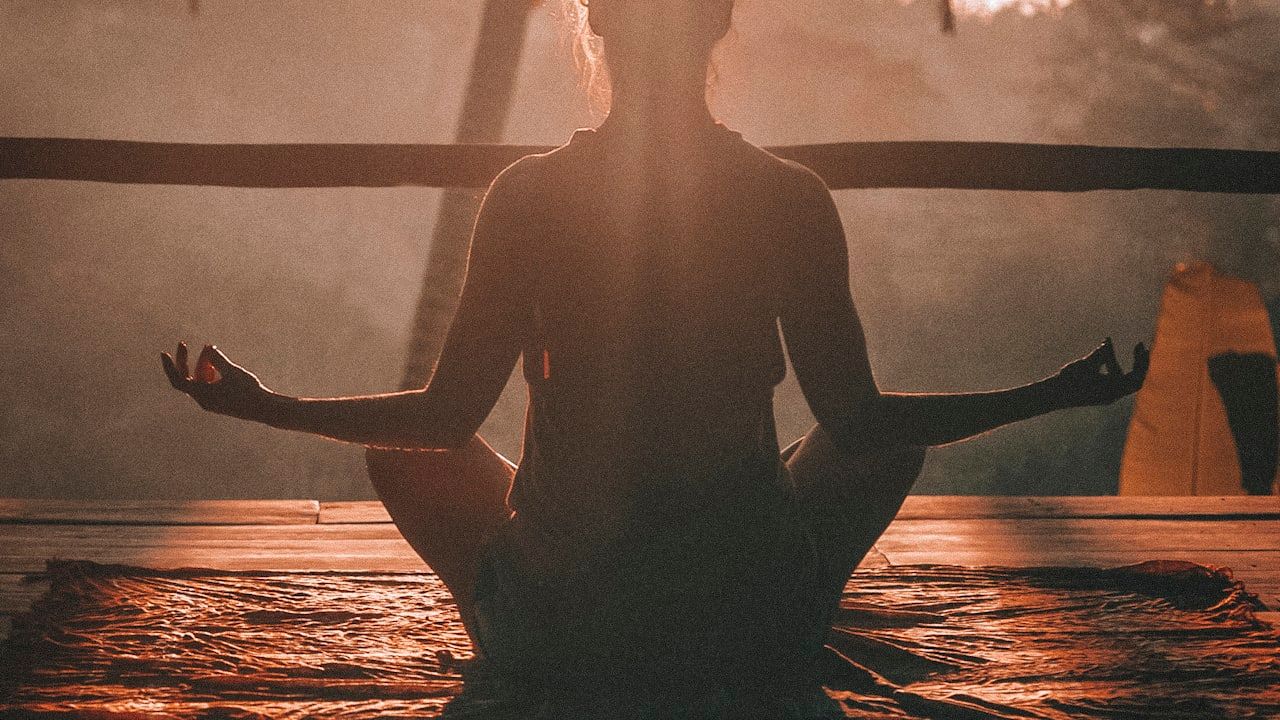
When you are caught in the grip of anxiety, the well-meaning advice to "just relax" can feel almost insulting. If relaxing were simply a matter of deciding to do it, none of us would ever lie awake at 2 a.m. with a racing heart. Anxiety is not a character flaw or a failure of willpower; it is a real, physiological response involving your nervous system, your breathing, your thoughts, and your daily habits. The good news is that because anxiety has identifiable mechanisms, we have evidence-based tools that work on those mechanisms directly. Here are seven techniques, drawn from clinical psychiatry and cognitive behavioural science, that you can begin practising today.
1. Slow Your Breathing to Steady Your Body
Anxiety often arrives with rapid, shallow chest breathing, which tips the body further into a fight-or-flight state. One of the most studied countermeasures is slow, diaphragmatic breathing. A simple version is the 4-6 pattern: breathe in gently through the nose for a count of four, then breathe out slowly for a count of six. The longer exhale gently activates the vagus nerve and the parasympathetic ("rest and digest") system. Research suggests that practising slow breathing for even a few minutes can reduce physiological arousal. The key is to make this a daily habit, not only an emergency measure, so your body learns the pattern before panic strikes.
2. Use Grounding to Return to the Present
Anxiety thrives on "what if" thinking about the future. Grounding techniques interrupt this by anchoring your attention in the here and now. The 5-4-3-2-1 method is widely taught for this purpose: name five things you can see, four you can touch, three you can hear, two you can smell, and one you can taste. By deliberately engaging your senses, you pull your mind out of the spiral of anticipation and back to the present moment, where the feared catastrophe is usually not actually happening.
3. Reframe the Thoughts Driving the Feeling
A central insight of cognitive behavioural therapy (CBT) is that it is often not the situation itself but our interpretation of it that fuels anxiety. Cognitive reframing means learning to notice an automatic anxious thought, examine the evidence for and against it, and replace it with a more balanced view. For example, "I will definitely fail this interview" can be questioned: Have I prepared? Have I succeeded before? A fairer thought might be, "I am nervous, and I have done my preparation; I can handle whatever comes." This is not forced positive thinking; it is honest, realistic appraisal.
Anxiety lies to us with great confidence. Learning to question its predictions, rather than obey them, is one of the most freeing skills a person can develop.
— Dr. Uday Kiran
4. Face Fears Gradually Instead of Avoiding Them
Avoidance feels protective in the moment, but it quietly teaches the brain that the feared situation truly is dangerous, so the anxiety grows stronger over time. Graded exposure is the evidence-based alternative. You build a gentle ladder of feared situations, from mildly uncomfortable to very challenging, and step into them one rung at a time, staying long enough for the anxiety to settle on its own. Someone anxious about crowded markets might begin with a quiet shop at an off-peak hour before progressing further. Each successful step retrains the brain that you can cope. For more entrenched fears, doing this with a trained therapist is wise.
5. Move Your Body Regularly
Physical activity is one of the most consistently supported lifestyle interventions for anxiety. Studies indicate that regular aerobic exercise, such as brisk walking, cycling, or swimming, can meaningfully reduce anxiety symptoms over time. Movement helps burn off stress hormones, improves sleep, and provides a healthy sense of mastery. You do not need a gym membership; a daily half-hour walk in your neighbourhood or a few rounds of Surya Namaskar can make a real difference. Consistency matters more than intensity.
6. Protect Your Sleep and Steady Your Stimulants
Sleep and anxiety have a two-way relationship: poor sleep worsens anxiety, and anxiety disrupts sleep. Improving sleep hygiene is therefore a practical lever. Consider these small but evidence-aligned steps:
- Keep regular sleep and wake times, even on weekends.
- Reduce caffeine, especially chai, coffee, and energy drinks, in the afternoon and evening, as caffeine can directly trigger anxious symptoms.
- Dim screens and bright lights in the hour before bed.
- Reserve the bed for sleep, not for scrolling or worrying.
Alcohol and tobacco, though often used to "calm the nerves", tend to worsen anxiety over the longer term and are best limited.
7. Schedule Your Worry Instead of Letting It Roam
For people whose minds worry constantly, a structured technique called "worry time" can help. You set aside a fixed fifteen to twenty minutes each day, ideally not close to bedtime, to deliberately sit with your worries and, where useful, problem-solve them. When anxious thoughts intrude at other times, you gently note them down and postpone them to your scheduled slot. This does not suppress worry, which rarely works; it contains it, so that anxiety no longer floods every waking hour and you regain a sense of control over your own attention.
When to Seek Professional Support
These techniques can genuinely help, and many people find real relief by practising them with patience. Still, anxiety exists on a spectrum. If it is persistent, interfering with your work, relationships, studies, or sleep, or if you experience frequent panic attacks, it may point to an anxiety disorder that responds well to structured treatment such as CBT or, where appropriate, medication. Seeking help is not a sign of weakness; it is the same good sense that takes us to a doctor for any other health concern.
If you or someone you care about is struggling with anxiety that will not ease, please know that support is available and recovery is very possible. You are warmly welcome to book a confidential consultation at Bharosa Neuro Psychiatry Hospital, where we can understand your situation together and find a way forward that suits you. You do not have to manage this alone.

Medically Reviewed & Approved
This article was clinically reviewed and approved by Dr. Uday Kiran.
MBBS · MD Psychiatry · Founder & CEO, Bharosa Neuro Psychiatry Hospital, HyderabadLast reviewed November 10, 2024